Complex Regulatory Framework
Overview of Regulatory Bodies
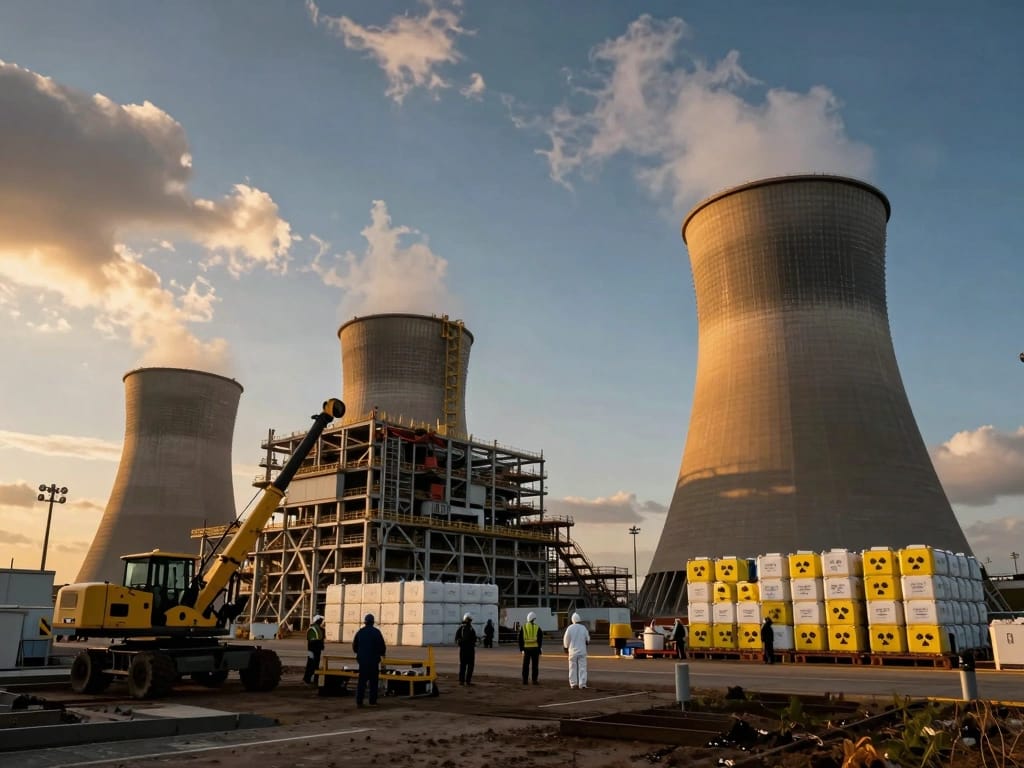
The decommissioning of nuclear power plants is a highly regulated process, primarily governed by national and international regulatory bodies. In the United States, the Nuclear Regulatory Commission (NRC) is the primary authority overseeing the decommissioning process, ensuring that it adheres to safety and environmental standards. Other countries have similar organizations, such as the Office for Nuclear Regulation (ONR) in the UK and the Nuclear Safety Authority (ASN) in France. These bodies establish guidelines and regulations that must be followed during the decommissioning process, which can significantly lengthen timelines.
Permitting and Compliance Challenges
One of the most significant hurdles in the decommissioning process is obtaining the necessary permits and demonstrating compliance with regulatory requirements. The NRC, for example, requires a detailed decommissioning plan that outlines the methods and timelines for dismantling the facility. This plan must be submitted for review and approval, which can take several years. Additionally, decommissioning projects must comply with environmental regulations, which often require extensive assessments and public consultations. The need for thorough documentation and the potential for regulatory changes can lead to delays that extend the decommissioning process by decades.
Impact of Regulatory Changes on Timelines
Regulatory frameworks are not static; they evolve based on new scientific findings, technological advancements, and shifts in public policy. For instance, the introduction of stricter environmental regulations can necessitate revisions to existing decommissioning plans, resulting in additional review periods. Changes in political leadership and public sentiment can also influence regulatory priorities. A prime example is the NRC's evolving stance on groundwater contamination and its implications for decommissioning timelines. Such changes require facilities to adapt their approaches, adding further complexity and time to the decommissioning process.
Technical Challenges of Decommissioning
Assessment of Radioactive Materials
Before decommissioning can commence, a thorough assessment of radioactive materials within the plant is essential. This involves extensive sampling and testing to identify and quantify the types and levels of radioactivity present. For instance, materials such as spent fuel, reactor components, and contaminated soil must be accurately measured and characterized. This process is labor-intensive and requires specialized equipment and expertise. According to the NRC, this assessment phase alone can take several years, particularly in older plants where records may be incomplete or inaccurate.
Decontamination Processes and Technologies
Once the assessment is complete, the next step involves decontamination processes aimed at reducing radiation levels to safe limits. Various technologies are employed, including chemical treatments, abrasive cleaning, and robotic systems designed for high-radiation environments. One notable example is the use of the "decontamination factor" (DF), which measures the effectiveness of decontamination methods. A DF of 10, for instance, indicates a tenfold reduction in radioactivity. However, achieving significant decontamination can take years, and the choice of technology is often influenced by the specific conditions at each plant, further complicating timelines.
Structural Dismantling and Waste Management
After decontamination, the physical dismantling of plant structures can begin. This process involves the careful removal of reactor components, piping, and other structural elements, which must be conducted with precision to avoid the release of radioactive materials. The dismantling phase can be prolonged due to the need for specialized equipment and safety measures to protect workers and the public. Additionally, managing the resulting radioactive waste poses a significant challenge. Decommissioning projects must comply with waste disposal regulations, which can involve transporting waste to licensed disposal facilities, a process that can take years and often faces logistical hurdles.
Financial Considerations
Cost Estimation and Budgeting Issues
The financial implications of decommissioning a nuclear plant are substantial and often underestimated. Initial cost estimations can be inaccurate due to the complex nature of the decommissioning process. For example, the decommissioning of the San Onofre Nuclear Generating Station in California is estimated to cost around $4.4 billion, a figure that has evolved over time due to unforeseen complications. Budget overruns can lead to financial strain on the operating utility, which may result in delays as funding is reassessed or reallocated.
Funding Mechanisms and Their Limitations
Many nuclear plants are required to establish decommissioning funds during their operational phase, typically through contributions from electricity sales. However, these funds can fall short of covering the actual costs of decommissioning. The lack of adequate funding can stall progress, as utilities may need to seek additional financing or governmental assistance. For instance, the decommissioning fund for the Vermont Yankee Nuclear Power Plant was reportedly insufficient to cover the entire scope of work, necessitating budget revisions and further delays in the decommissioning timeline.
Economic Impact on Local Communities
The economic ramifications of decommissioning extend beyond the immediate costs. Local communities often rely on nuclear plants for jobs and economic stability. As decommissioning progresses, job losses can occur, affecting local economies. Moreover, the uncertainty surrounding the duration and scope of decommissioning can deter investment in the region. For instance, the closure of the Three Mile Island plant in Pennsylvania had lasting effects on the local economy, illustrating the broader economic implications of lengthy decommissioning processes.
Workforce and Expertise Requirements
Availability of Skilled Labor
Decommissioning a nuclear plant requires a specialized workforce with expertise in nuclear safety, environmental science, and engineering. The demand for skilled labor often exceeds supply, particularly as the aging workforce in the nuclear industry approaches retirement. Additionally, as more plants undergo decommissioning, competition for qualified personnel intensifies. This shortage can result in delays as projects struggle to recruit and retain the necessary talent, extending overall timelines.
Training and Safety Protocols
Ensuring the safety of workers during decommissioning activities is paramount, necessitating comprehensive training programs that comply with stringent safety protocols. Workers must be trained in radiation safety, hazardous materials handling, and emergency response. The training process is time-consuming and must be repeated for new personnel as turnover occurs. The emphasis on safety can also result in slower progress, as every step of the decommissioning process must adhere to established safety guidelines, further prolonging the timeline.
Knowledge Transfer from Operating to Decommissioning Staff
As plants transition from operational to decommissioning phases, knowledge transfer between operating staff and decommissioning teams is critical. However, the departure of experienced personnel can lead to knowledge gaps that hinder progress. This transfer of knowledge often requires additional time for training and mentoring, as newer staff must familiarize themselves with the unique challenges of decommissioning. Delays in knowledge transfer can result in miscommunications and inefficiencies, further extending project timelines.
Public Perception and Stakeholder Engagement
Community Concerns and Opposition
Public perception plays a crucial role in the decommissioning process. Communities often express concerns about potential health risks, environmental impacts, and the adequacy of safety measures. Opposition from local residents and advocacy groups can lead to heightened scrutiny of decommissioning plans, resulting in additional requirements for public engagement and transparency. For example, the decommissioning of the Indian Point Energy Center in New York faced significant public opposition, which extended the timeline as regulators sought to address community concerns.
Transparency in the Decommissioning Process
Transparency is essential for building trust with the community during decommissioning. Regulatory bodies often require public disclosures of decommissioning plans, progress reports, and safety assessments. However, the complexity of these documents can create misunderstandings and skepticism among the public. Engaging with stakeholders through regular updates and educational initiatives can help mitigate concerns, but fostering transparency requires additional resources and time, further impacting decommissioning timelines.
Role of Public Hearings and Stakeholder Meetings
Public hearings and stakeholder meetings are critical components of the decommissioning process, providing a platform for community input and feedback. These meetings can lead to extended discussions and negotiations regarding decommissioning plans, adding layers of complexity to the timeline. For instance, the decommissioning of the Shoreham Nuclear Power Plant in New York was delayed as a result of public hearings that sought to address community apprehensions about safety and environmental impacts. While these engagements are essential for public trust, they can significantly lengthen the overall decommissioning timeline.